Published in Double Shiney
I hadn’t kept track of the time in a while. I could tell it was late, though. It was late enough that there were no cabs on the street, I knew this because Marty would have found one if there were any. He kept looking up and down the street, his neck lurching as we walked, like walking was killing him or something. Like finding a cab would fix everything.
“How much longer?” I asked more in sympathy with Marty’s outward display of anxiety than anything else. I didn’t mind the walking. It gave me something to do.
“It’s only twelve more blocks,” he said, “but these aren’t normal blocks out here. These are shit-ass-long blocks.”
I wondered what the conversion factor was. Was “shit-ass-long” to block as “kilo” was to meter? Did the prefix make it a distinct unit of measure, or was it more of a perceptual thing? Was our fatigue turning ordinary blocks into shit-ass-long blocks? Could time and space be warped by weariness or loss?
I must have been thinking about this for a long time, because when I looked back at Marty he was staring at me with that long-suffering look he’d developed lately.
“Listen,” he said, “you might want to think about being less mopey. I don’t think it’s doing you any good.”
As if I would be mopey for my health.
“Do you have any idea why we left the party?” he asked.
“You wanted to leave?”
“We left because you were scaring people.”
“That’s absurd.”
“Jesus,” Marty said, “you freaked out Dave’s wife. You can’t stay at a party after you freak out the hostess.”
I didn’t believe this was true. “And how did I freak out the hostess exactly?”
“You were lurking.”
“I wasn’t lurking.”
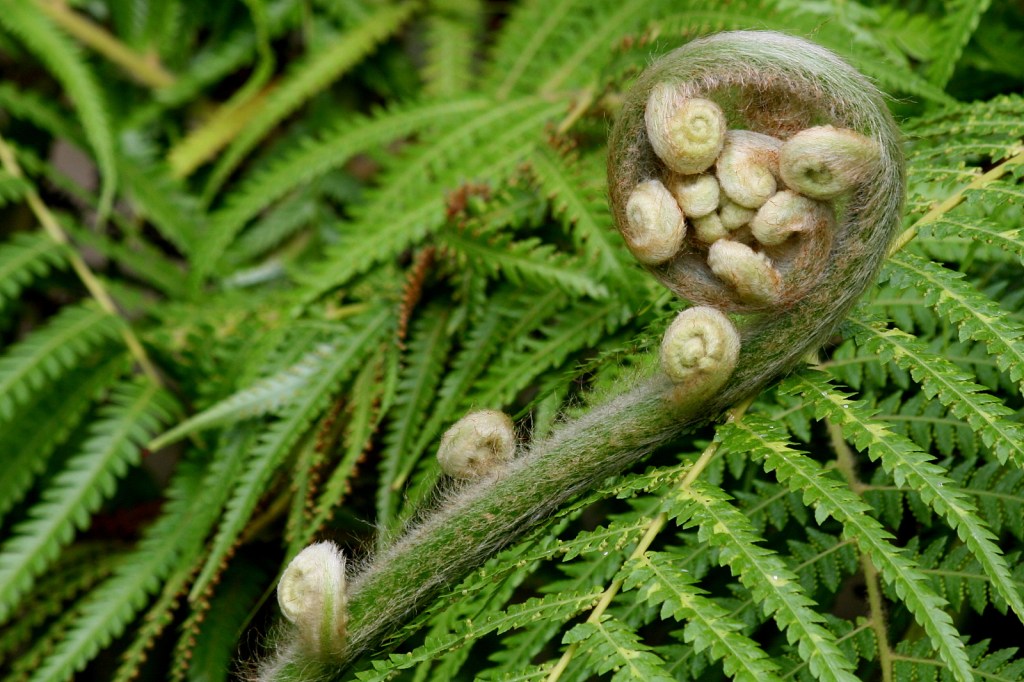
“You were standing behind a fern.”
“That’s not lurking.”
“Then what the hell is it?”
I knew the answer wouldn’t do any good, but I said it anyway. “I read somewhere that the patterns of nature often follow progressions of fibonacci numbers…”
Marty looked at me like I was a child.
“…so I was counting the leaves,” I said.
I remember looking at the fern, and it was like I could see back in time, see the plant growing. I could see the leaves unfurl, the stems push from the trunk, the whole thing struggling to be free of its seed.
As we walked, the blue glow of television screens shown down on us from windows above garages, blinking with the pulse of stations far away, and I wondered how many of these played to empty rooms.
Marty’s apartment was dark when we arrived, and we were quiet so as not to wake his wife. The place had an order to it, an order my own place had not known for some time. In the darkness I could sense life. I could smell potted plants and cut flowers and meals recently prepared.
I lay on the couch in the silent glow of the television and listened to muffled conversation fragments stumbling through the wall.
“…he was lurking?”
“…a fern…he hasn’t been the same since she…died…”
“…poor guy…”
“…didn’t know what else to do…”
“…you’re a good friend.”
“…it was time to go.”
I stared at the television screen, glowing not blue but with millions of colors, tiny dots arranged into faces and buildings and cars. This was the hour when time stopped, and a minute could be a year, and a night could be a lifetime.
I wondered if time had stopped for her, her final moments yet unfurling, if was she still making her last decision.
 Unstoriable